How to Verify Fake vs Genuine Loan Settlement Letter: 7 Checkpoints
CBS Sanction Reference, Bank Domain Checks & Zero-Cash Recovery Rules
Learn how rogue recovery agents forge bank sanction letters. Use our 7 forensic checkpoints to verify settlement offers before parting with your money.
A genuine settlement letter comes from an official bank email domain. It contains a system-generated Core Banking reference number. You must always pay funds directly into your 16-digit loan account number. Never transfer money to an agent UPI ID or agency bank account. Check the letter with your bank branch manager before paying.
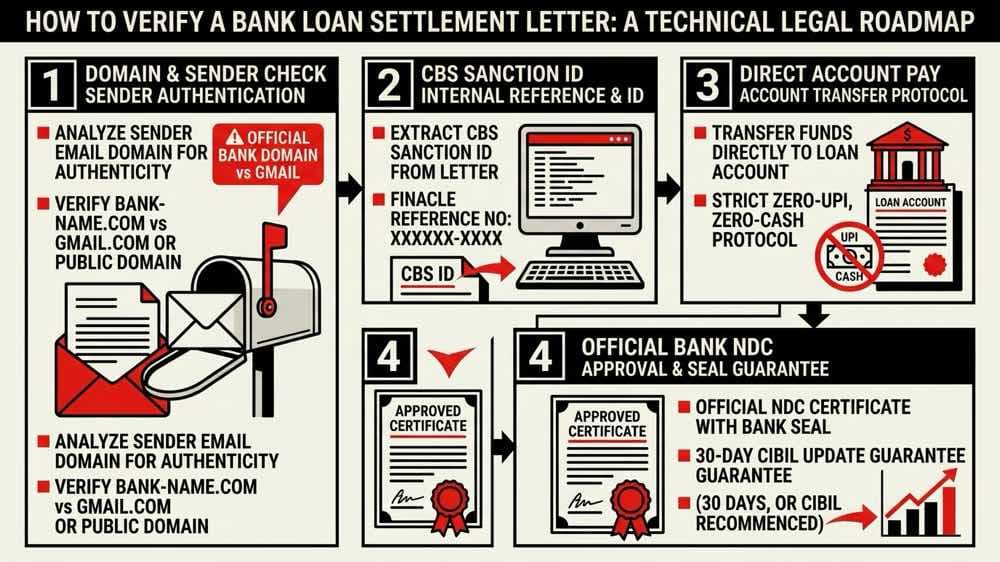
Figure 1: 4-Stage Forensic Protocol to Verify Bank Loan Settlement Letters
Mandatory Ground Reality Note on Fake Letters
Scam ShieldRogue recovery agents often use fake discount letters to meet monthly collection targets. They promise a 70% loan waiver, ask for immediate payment via UPI, and disappear. The bank never receives the money. Your loan stays open and continues to gather interest and penalty charges.
Every single rupee of your settlement must go directly into your official bank loan account number. If anyone asks you to pay a private agency account, personal UPI ID, or cash, it is 100% a scam.
01. The Fake Settlement Letter Scam Anatomy
Third-party collection agencies often run fake letter schemes. Here is how scammers operate in India:
Agents paste bank logos onto fake PDF templates. They insert fake signatures and seal stamps. They send these files over WhatsApp to create a false sense of security.
Scammers ask borrowers to transfer funds into accounts named "XYZ Asset Recovery Services". These are private agency accounts, not bank settlement accounts.
Callers claim the offer expires by 5:00 PM today. They pressure you to pay quickly so you do not have time to visit your bank branch to verify the letter.
02. The 7-Point Technical Verification Checklist
Under RBI guidelines, all loan compromises follow strict rules. Use these 7 checkpoints to test any settlement letter:
The letter must arrive from an official bank email server (such as @hdfcbank.com, @icicibank.com, @axisbank.com, or @sbicard.com). Emails from Gmail, Yahoo, or agency domains are fake.
Genuine letters carry a system reference number from Finacle or BANCS. Any bank branch cashier can enter this reference into their system to confirm your approved waiver.
Once a valid settlement ticket is active, the core banking system stops adding new penalty interest. If your loan balance keeps rising, the settlement was never entered into the system.
Under RBI rules, settlements must be signed by an authorized Scale IV or higher manager. The letter must display the officer name, employee code, and branch seal.
Payment instructions must name your exact loan account number. When you add the account as a beneficiary in net banking, the beneficiary name must match your own name.
Under Section 21 of CICRA 2005, the bank must state in writing that it will report the account as Settled to CIBIL, Experian, CRIF, and Equifax within 30 days.
The letter must include a clear promise to issue an official No Dues Certificate (NDC) within 15 to 30 working days after your settlement payment clears.
03. Strict Direct-Account Payment Protocol
Follow this safe payment checklist to ensure your funds reach the lender:
- Log into your net banking app and select NEFT / RTGS transfer.
- Enter your 16-digit loan account number as the beneficiary account.
- Use the official IFSC code of the lending bank home branch.
- If paying by cheque, make it payable strictly to "[Bank Name] Loan Account No. [Your Account Number]".
- Collect an official stamped bank receipt immediately after payment.
04. The 4 Mandatory Legal Clauses Checklist
Make sure your settlement letter contains these 4 key legal points:
| Clause | Fake Letter Signs | Genuine Bank Letter |
|---|---|---|
| Full & Final | Vague "token payment" | Explicit debt discharge |
| CIBIL SLA | Missing or verbal promise | 30-day bureau update |
| NDC Issuance | No timeline mentioned | 15 to 30 days SLA |
| Security Return | Ignores cheques/deeds | PDC return clause |
05. Emergency 3-Step Action Plan if Targeted by Fraud
If you already sent money to a fake recovery agent, take these 3 steps immediately:
Call 1930 or visit cybercrime.gov.in. Report the scammer UPI ID or bank account. Police can freeze the funds in the receiver account before the scammer withdraws the cash.
Visit your local police station. File a criminal complaint for cheating (Section 318 BNS) and forgery of valuable security (Section 336 BNS). Attach copies of the fake letter and payment screenshots.
Under the Supreme Court ruling in ICICI Bank v. Shanti Devi Sharma, banks are responsible for their recovery agents. If an empaneled agency leaked your loan data, file a complaint on the RBI CMS portal.
06. Frequently Asked Questions
How can I verify if my loan settlement letter is genuine or fake?+
Visit your bank home branch or Stressed Asset Resolution Branch. Ask the manager to check the settlement reference number in the Core Banking System (Finacle or BANCS). If the letter is genuine, the system will show the approved settlement amount and frozen interest.
Can a recovery agency accept settlement payment via personal UPI or cash?+
No. RBI rules strictly prohibit paying recovery agents in cash or via personal UPI. All settlement payments must go directly into your official 16-digit bank loan account via NEFT, RTGS, or at the bank cash counter.
Is a loan settlement letter sent on WhatsApp or Gmail legally valid?+
No. Genuine settlement letters originate only from official bank email domains (like @hdfcbank.com or @icicibank.com) or official bank customer portals. Letters sent from Gmail, Yahoo, or WhatsApp without a verifiable CBS reference key are invalid.
What mandatory clauses must appear in a valid bank settlement letter?+
A valid letter must state the exact settlement amount, payment due date, full and final discharge clause, an undertaking to update CIBIL within 30 days, and a commitment to issue a No Dues Certificate (NDC) within 15 to 30 days.
What should I do if I paid money to a fake recovery agent scammer?+
Immediately call the National Cyber Crime Helpline at 1930 to freeze the scammer mule account. Next, file an FIR at your local police station under Section 318 and Section 336 of Bharatiya Nyaya Sanhita (BNS) for cheating and forgery.
Can the bank demand more money after I pay according to a genuine settlement letter?+
No. Under Section 63 of the Indian Contract Act, once you pay the agreed settlement amount within the validity date, the debt is fully settled. The bank cannot demand remaining waived interest or principal.
Community Discussion & Case Notes
0 CommentsNo comments posted yet. Be the first to share your experience below!
Join the Discussion & Share Your Experience
Have you dealt with this situation or received a notice? Share your questions or experience with other borrowers.
Official Statutory Resources & Regulatory Portals
RBI & GOVT VERIFIEDAccess official government portals, regulatory ombudsman channels, and statutory dispute resolution bodies governing Indian banking and borrower rights:
- RBI Integrated Ombudsman Scheme (CMS)↗
File complaints against bank recovery abuse and fair practice violations
- RBI Sachet Portal (Illegal Recovery & Harassment)↗
Report unauthorized lending apps and aggressive recovery agency violations
- NALSA National Lok Adalat Schedules↗
Statutory alternative dispute resolution for mutually agreed OTS settlements
- National Consumer Helpline (NCH)↗
Government grievance redressal under Department of Consumer Affairs
- National Cyber Crime Reporting Portal (1930)↗
Official reporting for recovery blackmail, cyber threats, and extortion
- RBI Master Circular on Recovery Agents↗
Official directives governing recovery agency conduct and collection rules
- National Cyber Crime Reporting Portal (1930)↗
Official portal to report recovery scams and freeze fraudulent bank accounts
- RBI Complaint Management System (CMS)↗
Statutory ombudsman channel for complaints against banking fraud
Find this content helpful?
If this guide has helped you navigate your settlement journey, consider showing some support to keep this platform running.