Charities That Pay Your Debt: Truth, Scams & Actual Exit Paths
The Myth of Free Debt Payoffs & Real Settlement Paths
If you are struggling with unpaid credit cards or personal loans, searching online for charities is a natural reaction. You need the plain facts immediately. No charity or government grant exists to pay off private consumer debt for individuals. Understanding this truth protects you from advance fee scams and helps you find real paths to debt freedom.
No. No legitimate charity, NGO, or government grant writes checks to clear credit cards or private personal loans. Charities use public donations for basic survival needs like food, emergency housing, and medical care. Anyone asking for an upfront fee for a debt relief grant is running an illegal scam. True debt relief comes from non-profit credit counseling, direct bank hardship settlements, or hospital charity care policies.
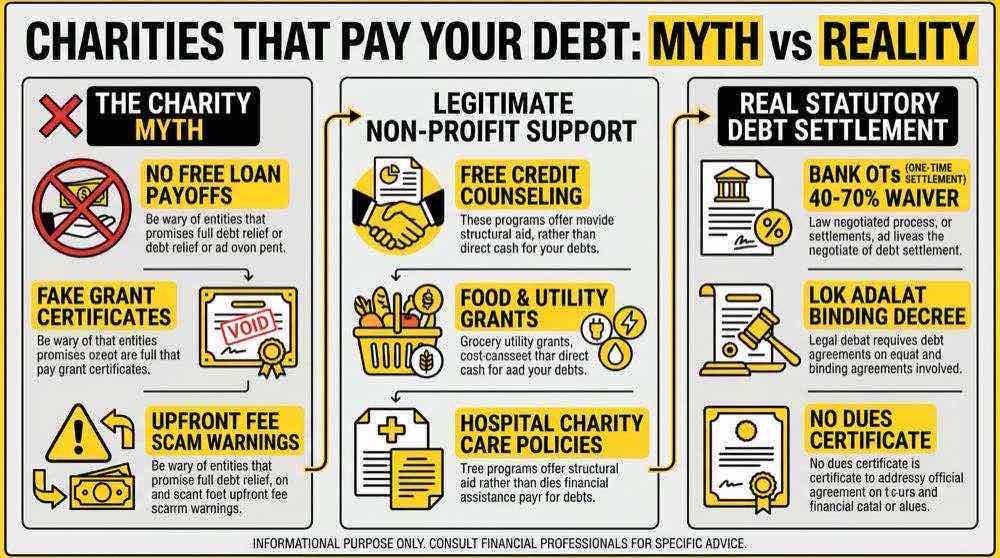
Figure 1: Comparison of Charity Myths vs Legitimate Non-Profit Aid & Bank OTS
Select your specific debt type below to see the realistic charity grant probability, statutory relief options, and advance-fee scam warnings.
Zero charities or government grants exist to pay off private credit cards or personal loans. Donor funds are restricted by law from bailing out commercial banks.
Direct Bank One-Time Settlement (OTS) to waive 40% to 70% of accumulated dues, or enrolling in a Non-Profit Debt Management Plan (DMP) via NFCC or Moneylife Foundation.
Beware of agencies asking for an upfront processing fee (such as 5,000 to 25,000 Rupees or 500 Dollars) to secure a fake charity debt waiver certificate.
- Step 1: Stop searching for charity payoffs and contact your bank grievance cell directly.
- Step 2: Request an official hardship restructuring or One-Time Settlement (OTS).
- Step 3: Pay only after receiving a verified sanction letter on official bank letterhead.
01. The Hard Truth: Why Charities Cannot Pay Private Loans
Every year, many borrowers search online for charities to clear their credit card debt. This never happens due to non-profit tax laws.
Charities collect donations from the public to fight poverty and feed hungry families. By law, charities cannot use public donations to pay commercial bank profits. Paying off private credit cards would violate their non-profit status. No charity in the world maintains a fund for personal loans.
If a charity paid your loan, your donor money would go straight to a commercial bank. Charities must use donations only for direct humanitarian relief.
02. What Legitimate Charities Actually Do to Help
Charities will not pay your loan directly, but they can help with living costs to free up your money:
Groups like The Salvation Army, Catholic Charities, and local trusts provide food, utility bill help, and emergency shelter.
Groups like Turn2us and Modest Needs offer small grants for essential items like medical supplies or car repairs so you can keep working.
Accredited non-profits give free budgeting advice and help you plan your finances without charging large fees.
03. The Medical Debt Exception: How Hospital Charity Care Works
Medical debt is different because hospitals have specific charity care rules:
Non-profit hospitals must maintain Financial Assistance Policies by law under Section 501(r) in the US. If your family income is low, the hospital must reduce or cancel your bill. In India, public trust hospitals and schemes like Ayushman Bharat (PM-JAY) help poor patients with medical bills.
This non-profit buys large medical debt portfolios from hospitals in bulk using donations. They cancel the debt permanently and mail letters to families. They do not take individual applications.
04. Spotting the Charity Debt Relief Upfront Fee Scam
Scammers target people who are desperate for debt relief. Look out for these three red flags:
Scammers ask for advance fees between 5,000 and 25,000 Rupees (or 250 to 1,000 Dollars) for fake grants. Once you pay them, they disappear.
Scammers send fake debt relief certificates with false government or bank stamps. These papers are worthless and carry zero legal validity.
Under FTC rules and RBI directives, charging advance fees for debt relief is illegal. Any entity asking for money before settling your loan is committing fraud under Section 318 of Bharatiya Nyaya Sanhita (BNS).
05. Real, Practical Alternatives to Clear Your Debt
If no charity will pay your debt, you still have four proven options:
Groups like the NFCC or Moneylife Foundation set up Debt Management Plans (DMPs). They negotiate lower interest rates and combine your payments into one monthly bill.
If you face real financial hardship, you can negotiate directly with your bank. Banks often agree to waive 40% to 70% of accumulated interest and penalties through an official One-Time Settlement.
In India, settling through a National Lok Adalat gives you a binding award under Section 21 of the Legal Services Authorities Act. It has the power of a civil court decree with zero court fees.
Ask your bank directly to extend your loan term, pause payments temporarily, or convert your credit card balance into a lower-interest installment loan.
All these regulatory guidelines, consumer protection rules, and police complaint provisions exist officially in the books. However, the ground reality is that the judicial and police system moves very slowly. In most everyday cases, lodging a formal complaint will not give you immediate relief from aggressive collection calls or scam agencies.
The honest fact is: until all of your outstanding loans are either officially settled (via One-Time Settlement) or fully closed, the probability of getting complete peace of mind from recovery agencies is very low.
1. Change Your Mobile Number: Switch to a fresh SIM card for daily use, sharing it strictly with close family. Keep your old loan-registered SIM on silent in a spare phone to check SMS once weekly for official bank notices. This instantly cuts off the non-stop daily barrage of abusive phone calls.
2. Shift Your Residential Address: If recovery agents or local collection musclemen know your rented flat and keep showing up to humiliate you before neighbors, relocate to a different address if possible to protect your family from doorstep embarrassment.
3. Delete the Loan App & Revoke All Permissions: Immediately uninstall the lending app from your smartphone. Before deleting, open phone settings, revoke all permissions (contacts, storage, camera, location), and clear app data so trackers cannot continue harvesting your real-time data or accessing your contact list.
06. Step-by-Step Action Plan to Exit Debt Without Scams
Follow this exact four-step protocol to resolve your debt safely:
Step 1: Stop Looking for Free Grants: Understand that private debt must be settled through negotiation with your lender, not charity handouts.
Step 2: Build a Hardship Budget: Calculate your basic living costs for food and rent. Save any leftover money into a settlement fund.
Step 3: Negotiate Directly with Your Bank: Send a written hardship letter explaining your job loss or medical emergency. Ask for an official One-Time Settlement.
Step 4: Verify the Settlement Letter: Never pay cash to collection agents. Verify your settlement letter at your home branch and pay only to your loan account.
07. Frequently Asked Questions
Are there any legitimate charities that pay off credit card debt or personal loans?+
No. No legitimate charity or government program pays off private consumer debts like credit cards or personal loans. Charitable funds are restricted by law to basic survival needs like emergency food, shelter, and medical care.
How does hospital charity care work for medical bills?+
Under Section 501(r) in the US and indigent patient quotas in India, non-profit hospitals must provide financial assistance. If your family income is below poverty limits, the hospital can reduce or completely cancel your medical bill.
What is the difference between non-profit credit counseling and debt settlement scams?+
Non-profit credit counselors help you budget and negotiate lower interest rates through Debt Management Plans without charging high upfront fees. Debt settlement scams make fake promises of free grants and demand illegal advance fees.
Can an NGO help me negotiate a loan settlement with my bank?+
Yes. Non-profit consumer advocacy groups like Moneylife Foundation in India or the NFCC in the US provide free guidance. They teach you how to write hardship letters and negotiate a One-Time Settlement directly with your bank.
Is it legal for a debt relief company to charge upfront fees before settling my debt?+
No. Under FTC Telemarketing Sales Rules and RBI directives in India, charging advance fees for debt relief before delivering an official settlement letter from your bank is strictly illegal and counts as criminal fraud.
How can I settle my loan if I have no money to pay the full balance?+
You can request an official One-Time Settlement (OTS) from your bank based on genuine hardship. Banks often agree to waive 40% to 70% of accumulated interest and penalties, allowing you to close the loan with a reduced lump sum.
Official Statutory Resources & Regulatory Portals
RBI & GOVT VERIFIEDAccess official government portals, regulatory ombudsman channels, and statutory dispute resolution bodies governing Indian banking and borrower rights:
- RBI Integrated Ombudsman Scheme (CMS)↗
File complaints against bank recovery abuse and fair practice violations
- RBI Sachet Portal (Illegal Recovery & Harassment)↗
Report unauthorized lending apps and aggressive recovery agency violations
- NALSA National Lok Adalat Schedules↗
Statutory alternative dispute resolution for mutually agreed OTS settlements
- National Consumer Helpline (NCH)↗
Government grievance redressal under Department of Consumer Affairs
- National Cyber Crime Reporting Portal (1930)↗
Official reporting for recovery blackmail, cyber threats, and extortion
- Federal Trade Commission (FTC) - Coping with Debt & Relief Scams↗
Official FTC consumer guidelines on debt management and advance fee fraud
- Consumer Financial Protection Bureau (CFPB) - Credit Counseling vs Debt Settlement↗
Federal guidance on debt management plans versus settlement risks
- National Foundation for Credit Counseling (NFCC)↗
Accredited non-profit credit counseling and financial education network
- StepChange Debt Charity - Free Debt Advice & Solutions↗
Leading non-profit provider of free debt advice and debt management plans
- Reserve Bank of India (RBI) - Sachet Fraud Reporting Portal↗
Official reporting portal for illegal loan schemes and recovery harassment
- National Legal Services Authority (NALSA) - Free Legal Aid & Lok Adalat↗
Statutory alternative dispute resolution for mutually agreed loan settlements
Community Discussion & Case Notes
0 CommentsNo comments posted yet. Be the first to share your experience below!
Join the Discussion & Share Your Experience
Have you dealt with this situation or received a notice? Share your questions or experience with other borrowers.
Find this content helpful?
If this guide has helped you navigate your settlement journey, consider showing some support to keep this platform running.