My Father Died Leaving Unpaid Loans: Who Is Legally Responsible?
Section 50 CPC Shield & Legal Heir Loan Rights in India
Indian civil law provides clear protection: children are never personally liable for a deceased father's bank debts under Section 50 CPC.
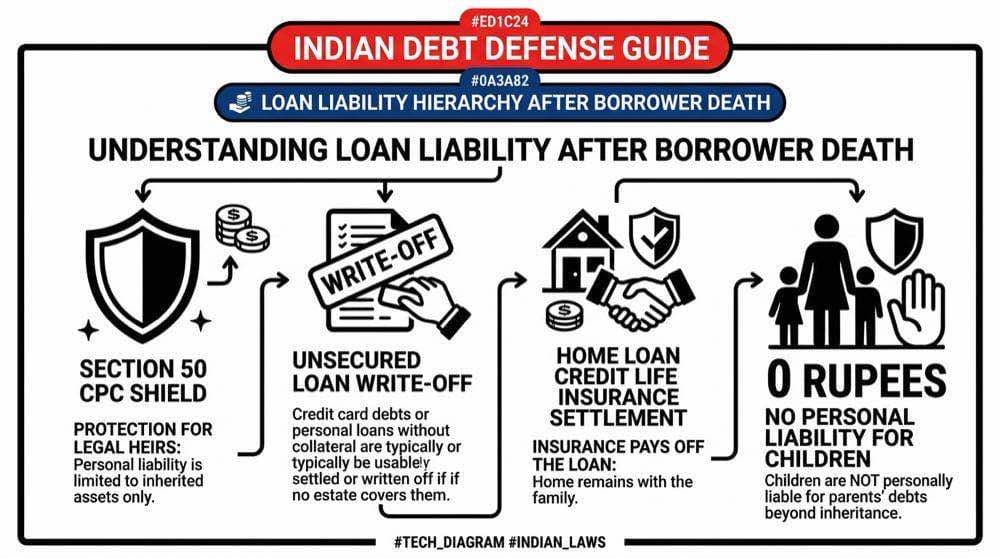
Figure 1.0: Statutory Loan Liability Hierarchy Under Section 50 CPC & Indian Contract Act
01. Quick Answer: Who Pays Your Deceased Father's Loan?
Under Section 50 CPC, children are never personally liable to pay a deceased father's loan from their own pocket. Your legal duty is limited only to assets you inherit from him. If you inherit zero rupees, you pay zero rupees. Unsecured personal loans and credit cards are closed and written off upon submitting his death certificate.
02. Section 50 CPC: Estate vs Personal Debt
Statutory ShieldIn Indian civil law, debt does not pass down to children. When a borrower dies, debt attaches only to his estate. Estate means property, cash, and bank balances left behind by him.
Under Section 50(2) CPC, banks can recover dues only up to the value of inherited assets:
- Zero Inheritance = Zero Debt: If your father left no assets, your liability is zero.
- Capped Liability: If debts exceed inherited assets, your liability is capped at the asset value. The rest must be written off.
Under Section 52 CPC, banks cannot touch your personal salary, private savings, or home.
03. Personal Loans & Credit Card Write-Off
Unsecured DebtPersonal loans and credit cards are unsecured debts. Banks issue them without taking any asset as security.
Because no property was mortgaged, the bank bears the credit loss. When the borrower dies, the loan ends. Once legal heirs submit the death certificate, the bank must write off the balance.
Never make a token payment. Paying even ₹1,000 gives agents an excuse to claim you accepted liability.
04. Hindu Succession Act: Pious Duty Ended
Parliament ActRecovery agents often use emotional pressure, claiming sons have a moral duty to clear parental debts.
Parliament ended this in 2005. Under Section 6(4) of the Hindu Succession Act, pious obligation was abolished:
No court in India can force descendants to pay a father's debt based on religious duty for debts after September 9, 2005.
05. Home Loans & Credit Life Shield
Mortgage RulesHome loans are secured by property title deeds. When a father dies, the outcome depends on insurance:
Most home loans bundle credit life cover like SBI Life Rinn Raksha. The insurer clears the debt directly with the bank. The family pays zero rupees and collects original title deeds with an NOC.
If uninsured, heirs can continue EMIs to save the home. Otherwise, the bank recovers only through the mortgaged property. Heirs never pay shortfalls from personal savings.
06. The ₹50 Lakh Loan Case Study
Real MathHere is how Indian law resolves a ₹50,00,000 debt across three situations:
The nominee submits claim forms. The insurer clears the ₹50,00,000 debt. Heirs pay ₹0 and keep the home.
Father left ₹15,00,000 in bank deposits. Heirs surrender that amount. Banks write off the remaining ₹35,00,000. Heirs pay ₹0 from personal salaries.
Father left zero assets. Heirs owe ₹0 under Section 50 CPC.
07. Co-Borrower & Guarantor Rules
The ExceptionThere is only one exception: when a family member signed the loan as a co-borrower or guarantor.
Under Section 128 of the Indian Contract Act, 1872, guarantor liability is co-extensive. If you signed the agreement, your duty continues.
You can still negotiate an official One-Time Settlement (OTS) for interest waivers. But if you never signed, banks cannot force you into liability.
08. Interactive Liability Screener Tool
Deceased Father Loan Liability Screener
Select your father's loan category, verify your signatory status, and enter estimated estate values to determine your exact statutory liability under Indian law.
Unsecured loan without collateral. Bank bears 100% credit risk.
Because you inherited zero assets and did not sign as a co-borrower, your legal liability to the lender is strictly ₹0. Personal loans and credit cards are unsecured. The bank must absorb the balance as an operational credit loss upon receiving the death certificate.
Tip: Print two copies on paper. Submit one copy to the home branch manager and obtain a receiving stamp with date and signature on your duplicate copy.
09. Stopping Recovery Agent Harassment
RBI CodeUnder RBI Master Direction DOR.ORG.REC.65/2022-23, recovery agents cannot call relatives or contact third parties. Calling hours are strictly 8:00 AM to 7:00 PM.
If agents threaten you, call 112. Under Section 351 BNS, criminal intimidation carries up to two years imprisonment.
All these RBI rules, regulatory guidelines, and police FIR provisions exist officially in the books. However, the ground reality is that the Indian judicial and police system moves very slowly. In most everyday cases, lodging a formal complaint or filing an FIR will not give you immediate relief from aggressive collection calls.
The honest fact is: until all of your outstanding loans are either officially settled (via One-Time Settlement) or fully closed, the probability of getting complete peace of mind from recovery agencies is very low.
1. Change Your Mobile Number: Switch to a fresh SIM card for daily use, sharing it strictly with close family. Keep your old loan-registered SIM on silent in a spare phone to check SMS once weekly for official bank notices. This instantly cuts off the non-stop daily barrage of abusive phone calls.
2. Shift Your Residential Address: If recovery agents or local collection musclemen know your rented flat and keep showing up to humiliate you before neighbors, relocate to a different address if possible to protect your family from doorstep embarrassment.
3. Delete the Loan App & Revoke All Permissions: Immediately uninstall the lending app from your smartphone. Before deleting, open phone settings, revoke all permissions (contacts, storage, camera, location), and clear app data so trackers cannot continue harvesting your real-time data or accessing your contact list.
10. 5-Step Action Roadmap for Legal Heirs
ChecklistObtain original municipal death certificates and a legal heir certificate from your local revenue office.
Look for group credit life policies like SBI Life Rinn Raksha in the loan sanction papers.
Submit a letter citing Section 50 CPC to the home branch with the death certificate. Get a receiving stamp on your copy.
Never hand cash to agents or sign new guarantee papers. Insist on written letters from the bank.
For personal loans, collect an account closure letter. For home loans, collect the original title deeds.
11. Frequently Asked Questions
8 AnswersDo children have to repay their deceased father's loan in India?+
No. Under Section 50 CPC, children are never personally liable for a deceased father's debt. You only pay from assets you inherit from him. If you inherit zero assets, you owe zero rupees.
Can banks recover an unpaid personal loan or credit card debt from legal heirs?+
No. Personal loans and credit cards are unsecured debts without collateral. The debt ends with the borrower. When legal heirs submit the death certificate, the bank writes off the unpaid balance.
What happens if my father had a 50 lakh loan when he died?+
If it was a home loan with credit insurance, the insurer clears the full 50 lakh. If it was an unsecured loan with zero inherited assets, the bank writes off the entire amount.
Can banks seize our house for an unpaid home loan after father dies?+
If the home loan had credit insurance, the insurer pays the bank. If uninsured, heirs can keep paying EMIs to save the home, or the bank can auction the property under the SARFAESI Act.
Does a son have a moral or pious obligation under Hindu law to pay his father's debt?+
No. Parliament abolished the pious obligation rule under Section 6(4) of the Hindu Succession (Amendment) Act, 2005. Courts cannot force sons to pay a father's debt based on religious duty.
Does a co-borrower or guarantor remain liable after the borrower dies?+
Yes. If a family member signed as a joint co-borrower or guarantor, liability continues under Section 128 of the Indian Contract Act. The bank can seek repayment from the surviving signatory.
Can banks attach my personal salary account for my father's unpaid loan?+
Never. Under Section 50 and Section 52 CPC, banks can only attach assets left by the deceased. Your personal salary, savings, and private income are fully protected by law.
What should I do if recovery agents harass me for my deceased father's loan?+
Do not make any cash payments. Record all calls. Under RBI rules, agents cannot contact relatives. Report harassment to the bank Nodal Officer, file on cms.rbi.org.in, and dial 112 for police help.
Official Statutory Resources & Regulatory Portals
RBI & GOVT VERIFIEDAccess official government portals, regulatory ombudsman channels, and statutory dispute resolution bodies governing Indian banking and borrower rights:
- RBI Integrated Ombudsman Scheme (CMS)↗
File complaints against bank recovery abuse and fair practice violations
- RBI Sachet Portal (Illegal Recovery & Harassment)↗
Report unauthorized lending apps and aggressive recovery agency violations
- NALSA National Lok Adalat Schedules↗
Statutory alternative dispute resolution for mutually agreed OTS settlements
- National Consumer Helpline (NCH)↗
Government grievance redressal under Department of Consumer Affairs
- National Cyber Crime Reporting Portal (1930)↗
Official reporting for recovery blackmail, cyber threats, and extortion
- Section 50 CPC: Legal Representative Shield↗
Debt liability capped strictly to value of inherited assets
- Section 6(4) Hindu Succession Act: Pious Duty Abolished↗
Statutory ban on forcing sons to pay father debt
- RBI Master Direction on Recovery Agents (2022-23)↗
Rules restricting calling hours and contact with family
Community Discussion & Case Notes
0 CommentsNo comments posted yet. Be the first to share your experience below!
Join the Discussion & Share Your Experience
Have you dealt with this situation or received a notice? Share your questions or experience with other borrowers.
Find this content helpful?
If this guide has helped you navigate your settlement journey, consider showing some support to keep this platform running.