Can a Bank Sue a Loan Guarantor If the Borrower Defaults?
Your Legal Rights, Section 128 Liability & Discharge
A loan guarantee creates serious legal duties in India. When a borrower defaults, banks often demand payment from the guarantor first. This guide explains your legal rights. You will learn the difference between a witness and a guarantor. You will also see five rules that cancel your liability.
Yes. Under Section 128 of the Indian Contract Act, your liability matches the borrower. In Bank of Bihar v. Damodar Prasad, the Supreme Court upheld this rule. Banks do not need to sue the borrower first. They can sue the guarantor directly. However, the law protects you in several cases. You are discharged if the bank changed loan terms without your consent (Section 133). You are also free if the bank settled with the debtor secretly (Section 135). If you only signed as a witness, your financial liability is zero.
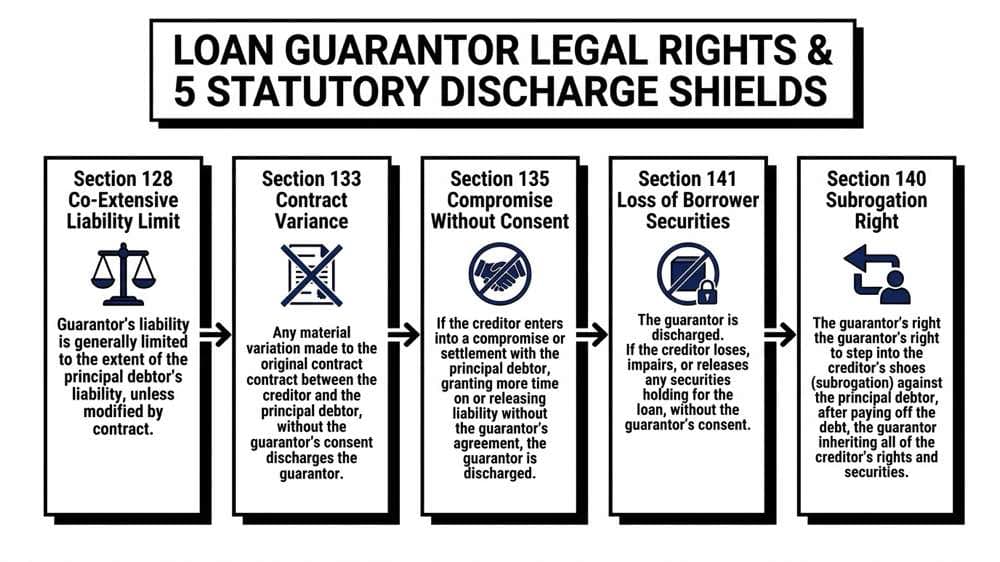
Figure 1: Complete Statutory Architecture of Loan Guarantor Rights and Discharge Shields
Guarantor Legal Liability & Discharge Screener
Answer 5 quick questions to test whether your legal liability as a loan guarantor has been discharged under Indian law. Generates a custom written objection notice.
Under Section 128 and the Supreme Court ruling in Bank of Bihar v. Damodar Prasad, the bank can pursue you directly. However, your salary attachment is capped under Section 60 CPC, and basic residential utensils and tools of trade are exempt.
All these RBI rules and police complaint options exist in the books. However, the ground reality is different. The Indian police and legal machinery moves very slowly. Filing an FIR will not stop recovery calls today.
Here is the honest truth. You will not get full peace until your loans are settled or closed. A One-Time Settlement (OTS) or full closure is the best path to end collection calls.
1. Change Your Mobile Number: Switch to a new SIM card for daily use. Share this number only with family. Keep the old loan-linked SIM on silent in a spare phone. Check SMS once a week for bank notices. This stops non-stop daily calls.
2. Shift Your Home Address: Do recovery agents visit your rented home? If they harass you or cause shame, move to a new rented home if you can. This keeps your family safe.
3. Delete Loan Apps & Revoke All Permissions: Remove the loan app from your phone right away. Before removing it, open phone settings. Clear app cache and data. Revoke all permissions for contacts, camera, and location. This stops data tracking.
Co-Extensive Liability: Why Banks Target the Guarantor First
Under Section 128 of the Indian Contract Act 1872, your liability is co-extensive with the borrower. When default happens, the bank can demand payment from you at once.
The Supreme Court of India ruled on this in 1969. The court said banks do not need to sue the borrower first. Lenders can sue the borrower, the guarantor, or both at once.
If the borrower has no money or runs away, banks target the guarantor right away.
Witness vs Reference vs Legal Guarantor
Lenders often trick personal references. They claim that references must pay the loan. That is false.
Signing merely to confirm borrower identity under Section 126 carries zero money liability. Banks cannot lawfully ask a witness to pay.
Signing a Deed of Guarantee gives banks the right to file civil suits against you. For claims over Rs. 20 Lakhs, banks can take you to the DRT.
If you pledged property papers or fixed deposits, the bank can issue a SARFAESI notice under Section 13(2). They can auction your pledged asset.
The 5 Statutory Discharge Shields That Protect Guarantors
The Indian Contract Act provides five strong shields that discharge a guarantor from debt:
Did the bank change loan interest or repayment time without your written consent? Any change to the loan terms frees the guarantor.
If the bank releases the borrower by contract or act, the guarantor is automatically released.
Did the bank give extra time to the borrower? Did they do an OTS deal without your written approval? Under Section 135, this completely frees you.
If the bank loses or gives back property pledged by the borrower, your liability drops by that same amount.
Banks must file a recovery case against the guarantor within three years of default. After three years, the debt is legally time-barred.
Section 140 Subrogation: Recovering Funds from the Debtor
When a guarantor pays the debt, the law helps them recover every rupee from the debtor.
The Doctrine of Subrogation & Indemnity:
Under Section 140, the guarantor steps into the shoes of the bank. You get all the bank rights against the borrower. Under Section 145, the borrower must repay you in full. You can file a civil suit to get back your money and legal costs.
Salary Attachment & Exempt Assets under Section 60 CPC
Recovery agents often threaten to seize your home or attach your whole salary. That is illegal.
A bank needs a court decree to attach salary. Under Section 60 CPC, the first Rs. 1,000 plus two-thirds of your remaining salary is fully exempt.
Your clothes, cooking utensils, and work tools cannot be touched. A family home that is not pledged cannot be seized without a trial.
CIBIL Score Restoration for Discharged Guarantors
When a borrower defaults, credit bureaus also hurt the guarantor score. If you are discharged under law, follow these steps to clean your credit report:
Step 1: Send a written legal notice to the bank Stressed Assets wing citing Section 133 or 135.
Step 2: Ask for a formal discharge letter from the Principal Nodal Officer within 30 days.
Step 3: File an online dispute on CIBIL, Equifax, and Experian with your discharge letter. Under CICRA rules, bureaus must fix wrong entries within 30 days.
Frequently Asked Questions (FAQ)
Can a bank sue a loan guarantor without suing the primary borrower first?▼
Yes. In Bank of Bihar v. Damodar Prasad, the Supreme Court ruled that a creditor can sue the guarantor directly without proceeding against the debtor first. Liability is co-extensive under Section 128.
Am I financially liable if I only signed as a witness or reference on the loan form?▼
No. An identifying witness undertakes zero financial obligation under Section 126. A contract of guarantee requires an express promise to discharge another debt. The bank cannot demand money from a witness.
What happens to my liability if the bank offers a settlement to the borrower without telling me?▼
Under Section 135 of the Contract Act, entering an OTS compromise or giving extra repayment time to the principal debtor without the guarantor written consent completely discharges the guarantor.
Can a bank freeze my personal savings account or attach my salary for being a guarantor?▼
A bank general lien applies strictly to deposits in that same institution. Salary attachment requires a court order and is capped under Section 60 CPC to ensure living expenses are protected.
If I pay the bank as a guarantor, can I recover the money back from the borrower?▼
Yes. Under Section 140 (Right of Subrogation), the guarantor inherits all the bank rights against the primary debtor. You can file a civil suit to recover the full amount paid, plus costs.
Does being a loan guarantor impact my CIBIL credit score if the borrower defaults?▼
Yes. Bureaus list default against both parties. Once you establish statutory discharge under Section 133 or 135, file a formal dispute on CIBIL to remove the default entry within 30 days.
What is the time limit for a bank to file a recovery case against a loan guarantor?▼
Under Article 55 of the Limitation Act, banks must file a recovery suit against the guarantor within three years from the date of default. After three years, the debt is legally time-barred.
Community Discussion & Case Notes
0 CommentsNo comments posted yet. Be the first to share your experience below!
Join the Discussion & Share Your Experience
Have you dealt with this situation or received a notice? Share your questions or experience with other borrowers.
Find this content helpful?
If this guide has helped you navigate your settlement journey, consider showing some support to keep this platform running.